

What Is a Diamond?
A diamond is a gemstone made of pure carbon arranged in a crystal form. It is the hardest natural mineral on Earth, loved for its brilliance, sparkle and strength.
Key Physical Traits
- Hardness: 10/10 on the Mohs scale — most scratch-resistant natural stone.
- Composition: Carbon atoms in a cubic lattice.
- Luster/ Sparkle: Exceptional light reflection and dispersion gives diamonds their famous fire.
- Colors: Usually colorless to light yellow/brown; rarer diamonds show fancy colors (blue, pink, green).
Cultural Importance:
Diamonds symbolize eternal love, strength, wealth, and commitment — making them the top choice for engagement rings and luxury jewelry.
Diamond Grading – The 4Cs Matrix (Quality Scorecard)
This matrix determines quality first, then price.
The 4Cs Grading Table
1. Carat (Weight → size → price jump)
|
Carat |
Market Behavior |
|
0.30 – 0.90 |
Affordable |
|
1.00 |
BIG price jump (magic size) |
|
2.00 |
Premium category |
|
3.00+ |
Luxury / rare |
|
5.00+ |
Investment class |
👉 Price does NOT increase linearly
1ct = $6k
2ct ≠ $12k → maybe $18–22k
2. Color (D → Z scale)
|
Grade |
Description |
Value |
|
D–F |
Colorless |
⭐ Highest |
|
G–J |
Near colorless |
Excellent value |
|
K–M |
Slight yellow |
Mid |
|
N–Z |
Visible tint |
Low |
👉 Each step down can reduce 5–15% price
3. Clarity (Internal flaws)
|
Grade |
Meaning |
Value |
|
FL |
Flawless |
Ultra rare |
|
IF |
Internally flawless |
Very high |
|
VVS1–2 |
Minute flaws |
Premium |
|
VS1–2 |
Slight flaws |
Best value |
|
SI1–2 |
Visible under loupe |
Budget |
|
I1–3 |
Eye visible |
Low |
👉 VS range = sweet spot for jewelry
4. Cut (Most important for beauty)
|
Grade |
Sparkle |
|
Excellent |
🔥 Maximum brilliance |
|
Very Good |
Bright |
|
Good |
Decent |
|
Fair/Poor |
Dull |
👉 Cut impacts beauty more than size
Pricing Matrix (How Dealers Actually Price)
Professionals use something like the Rapaport price grid:
Example Pricing Matrix (Illustrative)
1 Carat Round Diamond
|
Color ↓ / Clarity → |
IF |
VVS1 |
VS1 |
SI1 |
|
D |
$14,000 |
$13,200 |
$11,800 |
$9,800 |
|
F |
$12,500 |
$11,600 |
$10,400 |
$8,500 |
|
G |
$11,000 |
$10,200 |
$9,200 |
$7,800 |
|
H |
$9,500 |
$8,700 |
$7,900 |
$6,500 |
👉 Formula jewelers use:
Price = Rap Rate × Carat × Market Discount/Premium
Example:
VS1 G color 1.2ct
$9,200 × 1.2 = $11,040
Dealer discount 10%
Final ≈ $9,900
Diamonds are super versatile — you can go minimal daily wear or royal red-carpet drama, same stone, totally different vibe.
In the trade, a few patterns sell again and again because they balance:
✔ sparkle
✔ durability
✔ resale value
✔ easy manufacturing
Let’s walk through the most used diamond jewelry patterns you’ll see in showrooms worldwide.
Most Used Diamond Jewelry Patterns
1 Solitaire (The timeless king)
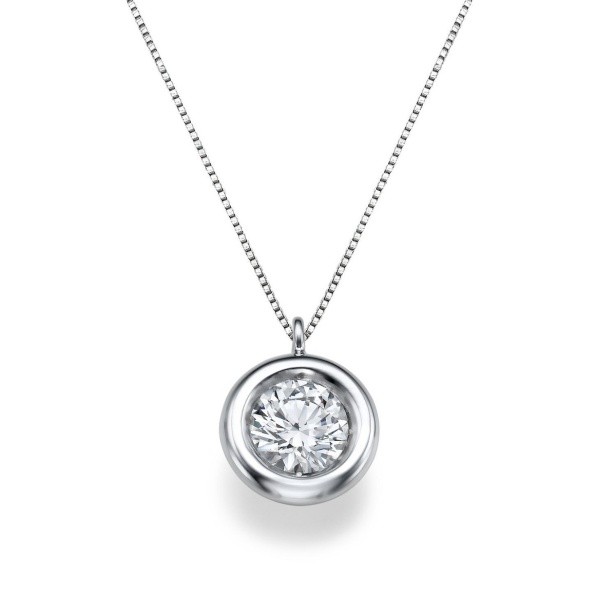
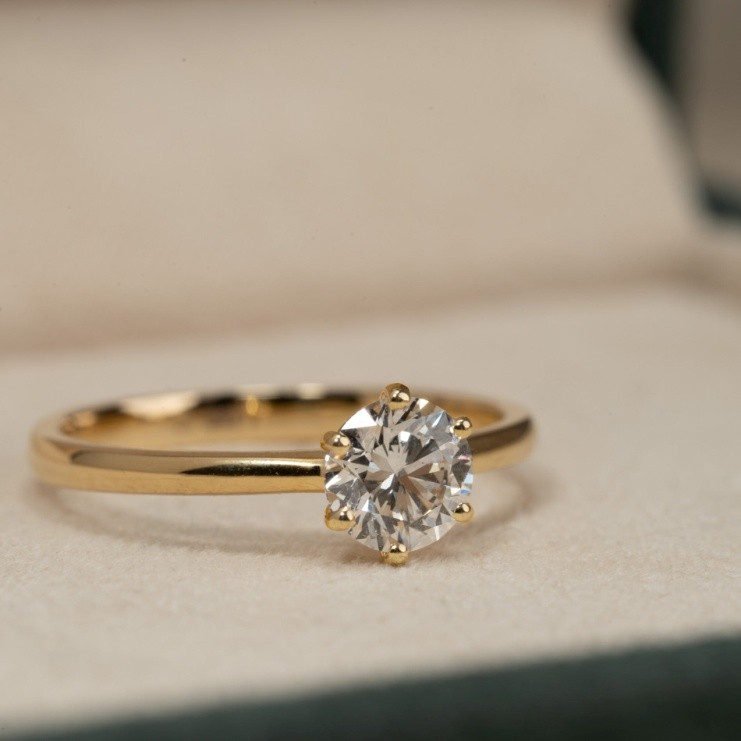
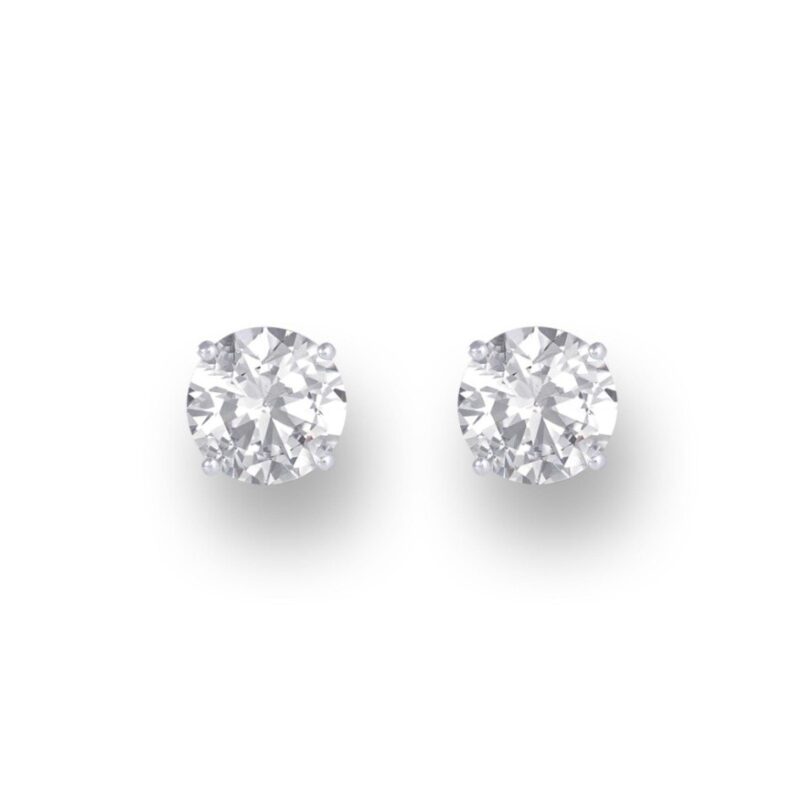
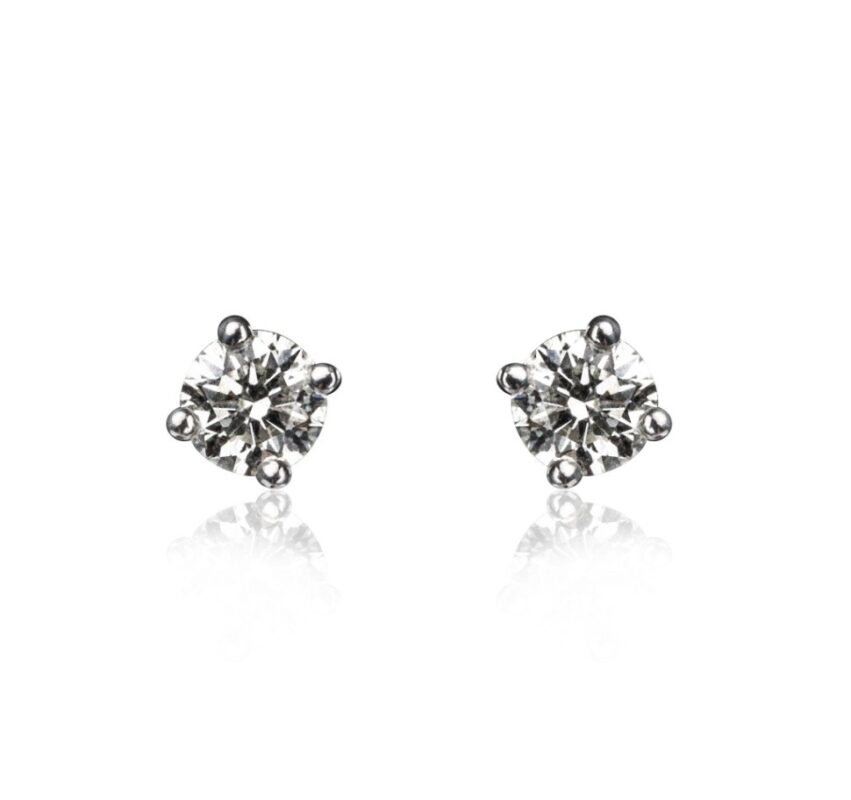
Style
One single diamond, center-focused.
Common uses
- Pendants
- Rings
- Stud earrings
Why popular
- Maximum brilliance
- Premium look
- Lowest making cost
- Easy to upgrade
Business tip
👉 Best profit margin + fastest selling design
2 Halo Setting (big look, smart budget)
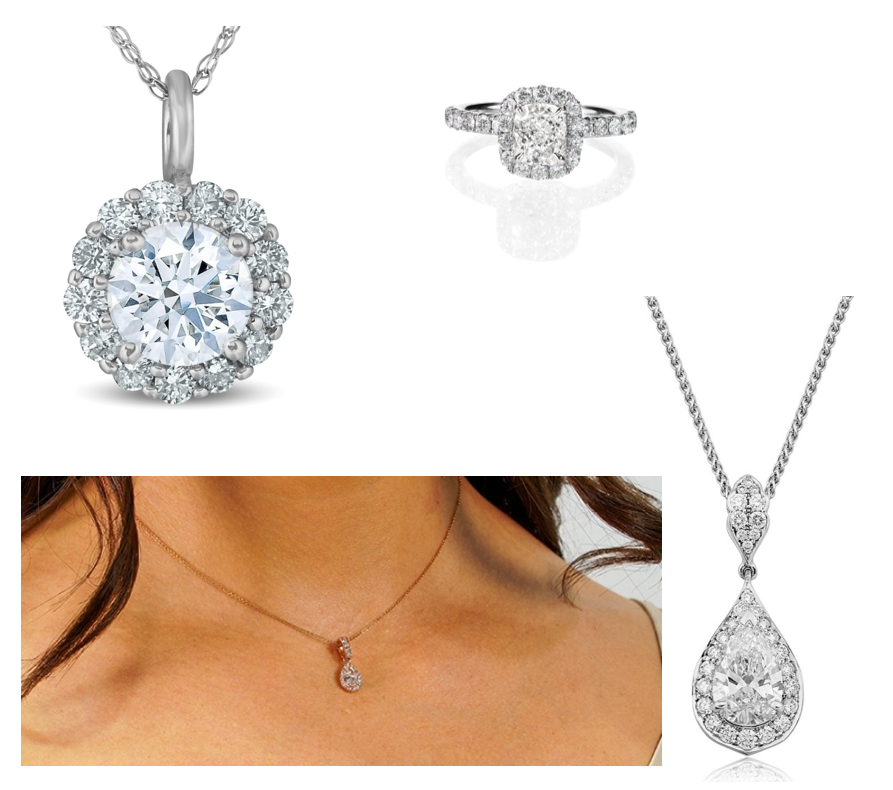
Style
Center diamond + small diamonds around it
Why customers love it
- Looks 30–50% bigger
- Extra sparkle
- More luxurious appearance
Common uses
- Bridal necklaces
- Engagement rings
- Statement pendants
Business tip
👉 Use 0.70–0.90 ct center → looks like 1.5 ct
3 Tennis / Line Necklace (luxury classic)
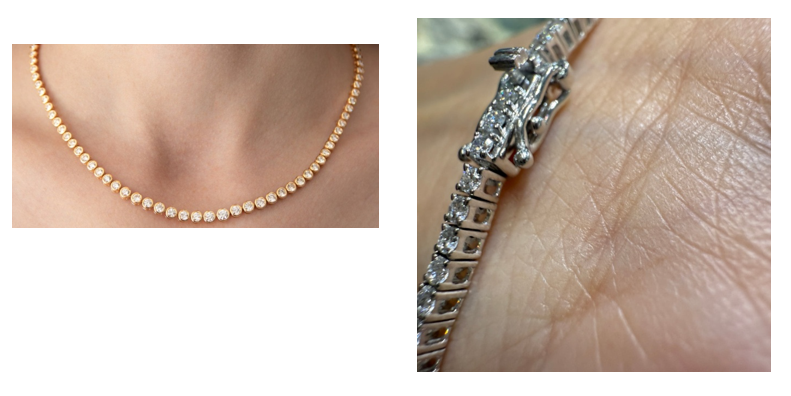
Style
Continuous row of equal diamonds
Look
Clean, rich, royal
Common uses
- Necklaces
- Bracelets
Market
- Bridal
- Luxury buyers
- Investment jewelry
Business tip
👉 Easy to calculate pricing (carat × price per carat)
4️⃣ Pavé / Micro-set (maximum sparkle)
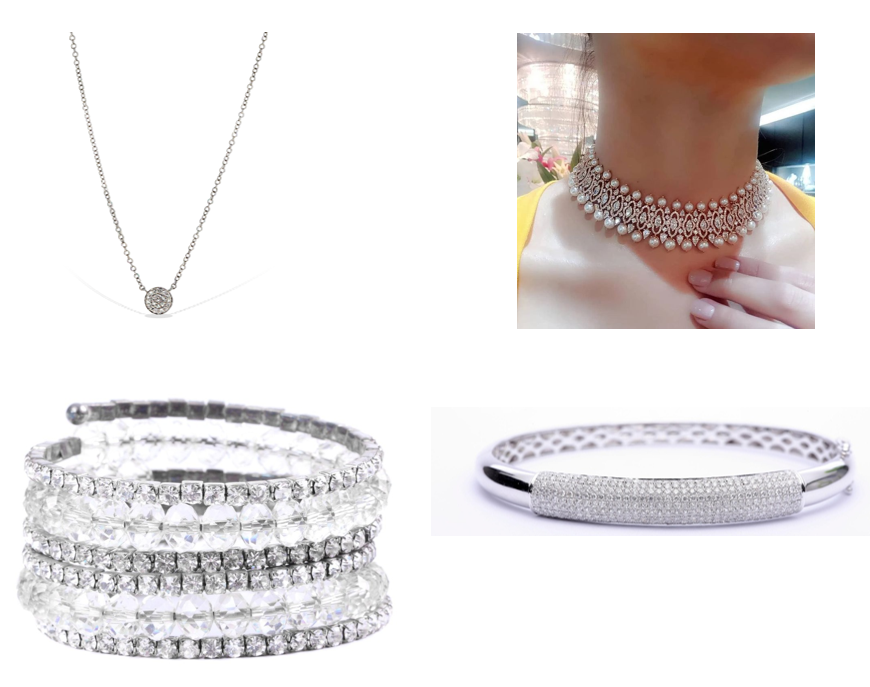
Style
Many small diamonds closely set
Effect
“Fully glittering” surface
Common uses
- Chokers
- Bangles
- Earrings
- Fashion pieces
Business tip
👉 Uses small melee stones → high margin
5️⃣ Cluster / Floral (bridal & traditional favorite)
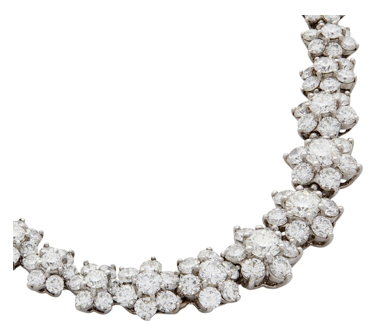
Style
Multiple stones arranged like flower/sunburst
Popular in
- Pakistan
- India
- Middle East bridal sets
Why loved
- Big appearance
- Regal design
- Traditional look
Business tip
👉 Perfect for wedding season sales
💎 Quick Comparison (Jeweler Perspective)
|
Pattern |
Cost Level |
Sparkle |
Demand |
Margin |
|
Solitaire |
Low |
Medium |
Very High |
⭐⭐⭐⭐ |
|
Halo |
Medium |
High |
Very High |
⭐⭐⭐⭐ |
|
Tennis |
High |
High |
Luxury |
⭐⭐⭐ |
|
Pavé |
Medium |
Very High |
Fashion |
⭐⭐⭐⭐⭐ |
|
Cluster |
Medium–High |
High |
Bridal |
⭐⭐⭐⭐ |
💼 Pro Strategy (if you’re stocking inventory)
If I were running a showroom:
✔ 40% Solitaire
✔ 25% Halo
✔ 15% Tennis
✔ 10% Pavé
✔ 10% Cluster
This mix covers daily + bridal + luxury buyers.
If you want, I can next:
✅ Make a design catalog PDF
✅ Estimate manufacturing cost per pattern
✅ Create an Excel profit sheet per style
✅ Suggest which patterns sell best in Pakistan market
Tell me what you’d like to build next 💎